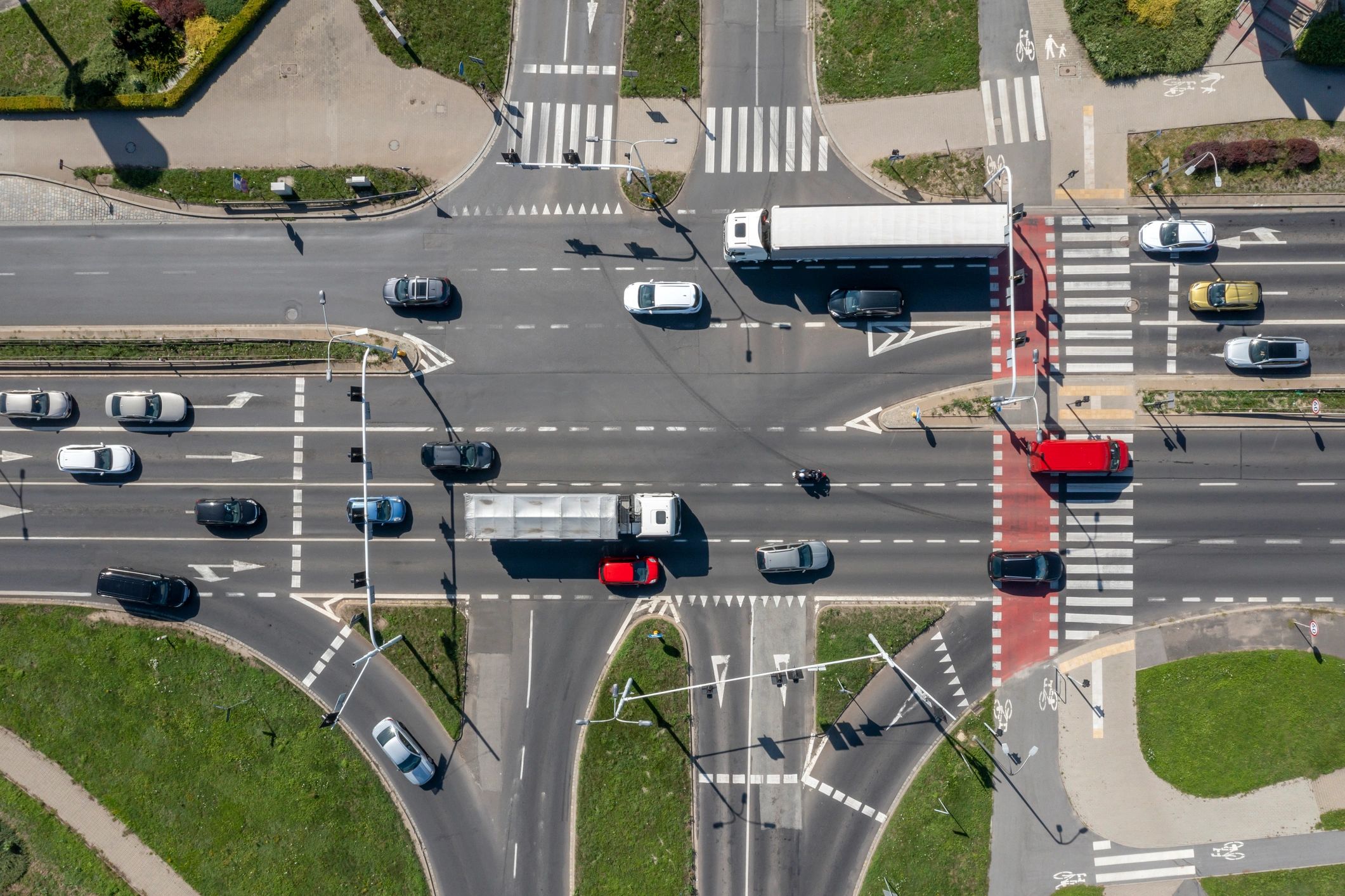
Navigating the Road to Legal Driving in Germany
Earning a driver’s license in Germany is more than a personal milestone—it’s a structured process rooted in safety, responsibility, and strict regulatory standards. For many, one of the most misunderstood yet critical components of this journey is the Medizinisch-Psychologische Untersuchung (MPU), commonly known as the “Idiotentest.” This evaluation isn’t just for repeat traffic offenders; it plays a key role when substance use, reckless driving, or medical conditions come into question. Understanding its purpose early can save time, reduce stress, and streamline your path to legal driving.
The MPU exam assesses cognitive function, emotional stability, and behavioral patterns to determine fitness to drive. It’s often required after alcohol- or drug-related violations, but also applies in cases of prolonged license suspension or severe traffic offenses. In cities like Berlin, Munich, and Hamburg, where traffic density and enforcement are high, knowing when and why an MPU is mandated helps drivers prepare proactively.
This guide breaks down the steps to obtaining a German driver’s license, explains when the MPU becomes necessary, and outlines what applicants can expect—from documentation and medical checks to psychological interviews. You’ll learn how to approach the process with confidence, avoid common pitfalls, and meet all requirements efficiently, no matter your background or driving history.
Your Step-by-Step Guide to Obtaining a German Driving License
Earning a German driving license is a structured process designed to ensure safety, competence, and familiarity with local traffic laws. Whether you’re a resident in Berlin,慕尼黑, or a smaller town, following the correct sequence will make your journey smoother and more efficient.
1. Confirm Eligibility and Gather Required Documents
Ensure you’re at least 18 years old (or 17 for accompanied driving). Collect your ID or passport, proof of residency, an eye test certificate, and a first aid course completion certificate—mandatory across Germany.
2. Enroll with a Licensed Driving School
Choose a state-approved Fahrschule in your city. They’ll guide you through theory and practical training and submit your application to the Führerscheinstelle.
3. Complete Theory Lessons and Pass the Exam
Attend 14 sessions of 90 minutes each covering road rules, hazard awareness, and driving ethics. Study using digital tools and attend review sessions. Pass the computer-based theory test with a minimum score.
4. Finish Practical Training (Fahrunterricht)
Log mandatory driving hours—typically 12 special drives including rural, highway, and night drives. Practice maneuvers like parking, emergency stops, and precision steering.
5. Schedule and Pass the Driving Test
Take the on-road exam lasting about 45 minutes. Demonstrate confident control, proper signaling, and awareness of pedestrians and cyclists. Upon passing, receive your provisional license pending final processing.
What You Need to Know About the MPU Exam in Germany
The Medizinisch-Psychologische Untersuchung (MPU), often referred to as the “medical-psychological assessment,” is a critical evaluation required for drivers in Germany who have had serious traffic violations. Commonly known as the “Idiotentest” colloquially, the MPU is designed to assess a driver’s fitness to safely operate a vehicle, particularly after incidents involving alcohol, drugs, or repeated traffic offenses. It is typically mandated by the Kraftfahrt-Bundesamt (KBA) or local driver’s license offices (Führerscheinbehörde) in cities like Berlin, Munich, or Hamburg when there are concerns about a person’s judgment or behavior behind the wheel.
The assessment consists of three core components: a medical examination, a psychological interview, and a performance test. The medical portion checks for physical conditions impacting driving ability, while the psychological evaluation explores a candidate’s attitude toward traffic laws, risk awareness, and behavioral patterns. The performance test measures cognitive functions such as reaction time, attention, and concentration using standardized computer-based tasks.
You may be required to complete an MPU if you’ve been caught driving with a blood alcohol concentration above 0.11%, multiple alcohol-related violations, drug use, or accumulating excessive penalty points (Punkte in Flensburg). Preparing adequately—including attending counseling sessions and demonstrating behavioral change—can significantly increase the chances of passing on the first attempt.
5 Key Reasons Drivers Are Referred to an MPU in Germany
In Germany, the Medizinisch-Psychologische Untersuchung (MPU), commonly known as the “Idiotentest,” plays a crucial role in evaluating a driver’s fitness to return behind the wheel after certain incidents. Understanding why someone is referred can help drivers take proactive steps toward resolution and reinstatement.
Alcohol-Related Offenses
Exceeding the legal blood alcohol limit—especially repeat offenses—triggers mandatory MPU assessment. Even a single high-BAC incident (0.11% or above) can result in a referral. The evaluation scrutinizes drinking patterns, behavioral tendencies, and readiness to adopt responsible habits.Drug Use or Substance Abuse
Driving under the influence of illegal drugs or misusing prescription medications leads to immediate MPU requirements. The test assesses cognitive function, dependency risks, and long-term substance use history to determine rehabilitation progress.Repeated Traffic Violations
Accumulating serious offenses like speeding, reckless driving, or running red lights may signal impaired judgment. Authorities use the MPU to evaluate risk tolerance and decision-making under pressure, especially for repeat offenders.Medical Conditions Affecting Driving Ability
Neurological disorders, sleep apnea, epilepsy, or psychological conditions such as severe anxiety or untreated ADHD can impair driving. The MPU assesses whether medical management is sufficient for safe operation.Driving Without a Valid License or Insurance
Persistent unauthorized driving, particularly after revocation, raises red flags about judgment and compliance. The MPU helps determine if a driver understands legal responsibilities and is prepared to adhere to regulations moving forward.
Each case is evaluated individually, with the goal of ensuring public safety while providing a path to regain driving privileges.
Ace Your MPU: A Step-by-Step Guide to Passing Psychological and Medical Evaluations
Passing the MPU (Medizinisch-Psychologische Untersuchung), often referred to as the “idiot test” by locals in Berlin and across Germany, is a crucial step for drivers reinstating their license after traffic violations. Success requires more than just showing up—it demands targeted preparation and a clear understanding of the evaluation process. Follow these steps to improve your chances of passing on the first attempt.
1. Understand the MPU Structure
The exam includes a detailed driving history review, a medical check-up, and a psychological assessment. Be truthful and consistent in your statements—any discrepancies can raise red flags.
2. Gather Required Documents Early
Collect your ID, driving record, police reports, and any prior medical or therapy records. Having these ready shows responsibility and streamlines the process.
3. Prepare for the Psychological Interview
Reflect on your past driving behavior, recognize mistakes, and be ready to explain changes you’ve made. Use real-life examples to demonstrate behavioral improvements, such as attending traffic workshops or completing counseling.
4. Demonstrate Genuine Insight
Examiners look for Einsichtsfähigkeit (capacity for insight). Clearly articulate what led to your violations and how you’ve addressed those issues—whether through education, therapy, or lifestyle changes.
5. Stay Calm and Cooperative
Approach the test with a respectful attitude. Practice mindfulness or breathing techniques beforehand to manage anxiety, especially during the final interview in cities like Munich or Hamburg where wait times can be longer.
Proper preparation turns the MPU from a hurdle into a manageable milestone on your path back to safe, legal driving.
Common Questions About German Driving Licenses & MPU Exams
What is an MPU exam and when is it required?
An MPU (Medizinisch-Psychologische Untersuchung) is a medical-psychological assessment mandated in Germany when a driver’s fitness is in question. This often follows alcohol-related offenses, repeated traffic violations, or long-term license suspensions. The test evaluates cognitive function, reaction times, and psychological readiness to determine if someone is safe to return to the roads.
How do I prepare for the MPU process?
Start by gathering all necessary documentation, including medical records and traffic reports. Most applicants benefit from structured preparation—this includes self-reflection on past behavior, understanding road responsibility, and completing cognitive exercises that mirror the assessment’s components.
Can I retake the MPU if I fail?
Yes, if the evaluation concludes that you’re not yet fit to drive, you can reapply after a set period. Many use this time to take counseling courses or demonstrate sustained behavioral changes, which are factored into future assessments.
Does passing the MPU guarantee license reinstatement?
Not always. While passing is a major step, the final decision rests with the drivers’ licensing authority (Führerscheinstelle). They consider your full history, including compliance with rehab programs or court mandates.
How long does the entire MPU process take?
From initial application to final results, expect 4 to 12 weeks, depending on scheduling and regional office workloads. In cities like Berlin, wait times may vary due to higher demand and specialized testing centers.
Can I drive during the MPU process?
No—unless your license is still valid, you are not permitted to operate a vehicle until both the MPU is passed and the authorities officially reinstate your license. Driving without authorization can lead to serious legal consequences.
What documents are needed for a new or reinstated license?
Standard requirements include a biometric photo, ID or passport, vision test certificate, and proof of residency. For license reinstatement post-MPU, you’ll also need the official assessment result and court clearance documents if applicable.
Drive Smart, Stay Safe: Final Thoughts on German Licensing & Road Responsibility
Understanding the German driving license system and the MPU (Medizinisch-Psychologische Untersuchung) process is more than a bureaucratic hurdle—it’s a gateway to safer roads and personal accountability. Whether you’re working toward regaining your license after a suspension or preparing for your first-time certification, recognizing the importance of both theoretical knowledge and behavioral responsibility is key. The MPU exam, often required after serious traffic violations, evaluates not just medical fitness but also psychological readiness to drive safely—emphasizing long-term behavioral change over quick fixes.
To stay compliant and safe, drivers should proactively address risk factors like speeding, distracted driving, or alcohol-impaired judgment—issues frequently assessed during license reviews. Preparing thoroughly for both theory and practical exams, understanding Fahrordnung (traffic regulations), and demonstrating consistent responsible behavior significantly improve outcomes. For those facing an MPU, engaging in structured rehabilitation programs, keeping organized documentation, and practicing self-reflection are critical steps.
Above all, prioritize lifelong learning. Revisit road safety guidelines regularly, especially when driving conditions change—whether in Berlin, the Autobahn network, or rural Brandenburg. Consider using practice apps, refresher courses, and self-assessment checklists to reinforce disciplined habits.
Your journey doesn’t end with a license in hand—it evolves every time you start the engine. Stay informed, stay cautious, and let responsibility steer every mile.